High-End Therapeutic Ayurveda Retreats: India’s Most Exclusive Wellness Model

  • 1
  • Mar 09, 2026
High-End Therapeutic Ayurveda Retreats: India’s Most Exclusive Wellness Model

The global wellness industry was estimated to be USD 5.5 trillion in 2025, with wellness travel adding more than USD 1.2 trillion each year with a growth rate of ~10%. Therapeutic/medically focused wellness travel caters to this need. What started as a passion has become a lifestyle choice for the entire world. 

Among all traditions of healing, Ayurveda stands uniquely positioned not just as a healing system but as a transformational lifestyle modality. 

But as markets expand, Ayurveda tourism is bifurcating: 

  • Mass Ayurveda tourism — volume-driven, popularized therapies
  • High-End Therapeutic Ayurveda Retreats — outcome-oriented, evidence-driven, exclusive healing experiences. 

  Start Your Transformational Wellness Retreat with Us Now

Get Touch Us 

Today’s blog explores the latter—India’s most exclusive wellness model that defines the best in Ayurveda tourism through depth, personalization, longevity, and transformative outcomes.

The Rise of High-End Therapeutic Ayurveda Retreats 

Wellness consumer insights reveal a clear global trend: 

  • Experience versus commodity
  • Outcome over exposure
  • Personalization versus generic packages 

According to the 2024 report by the Global Wellness Institute, the global transformation, not tourism” is the kind of experience that the average wellness vacations traveler is Global Wellness Institute, 2024

Ayurveda, with its holistic philosophy, is best suited for personalized healing, and this is most appropriately possible in exclusive retreat settings with low population densities and high intensity. 

This phenomenon is also apparent, particularly in India, which is the homeland of Ayurveda, with luxury and therapeutic integration being identified as an emerging differentiator. 
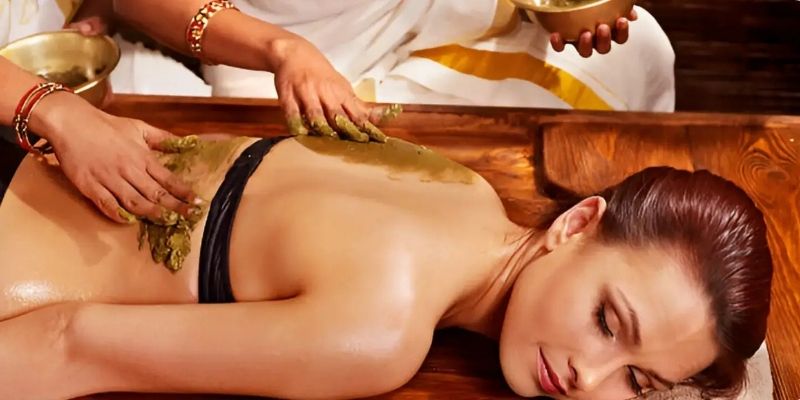
Limited-Access, Low-Density, High-Outcome Ayurveda Tourism

Limited-Access, Low-Density, High-Outcome Ayurveda Tourism

What It Is 

A limited-access, low-density Ayurveda retreat is: 

  • Invitation only, or capacity-controlled
  • Designed for small groups or individuals
  • Focused on documented health outcomes
  • Surrounded by therapeutic ecology (nature, silence, clean air)
  • Facilitated by highly experienced therapists and clinicians. 

This model contrasts sharply with mass Ayurveda tourism where: 

  • Large numbers dilute quality
  • Therapies become commoditized
  • Personalization is minimal
  • Outcomes are rarely tracked

Why It Matters 

Performance, outcomes, and healing depth are directly correlated with: 

  • Environment
  • Practitioner competence
  • Duration and continuity of care
  • Personalized protocols
  • Monitoring and adjustment
  • Low-density models strengthen all of these. 

Low-Density vs Mass Ayurveda Tourism (Outcome Focus) 

FeatureMass Ayurveda TourismHigh-End Therapeutic Retreats
AccessOpenLimited / Controlled
Group SizesLargeSmall (1–10)
PersonalizationLowHigh
Outcome TrackingRareStandard
Clinical OversightMinimalContinuous
DurationShort (3–7 days)Long (14–60+ days)

Long-Stay Panchakarma, Rasayana & Post-Disease Recovery

Long-Stay Panchakarma, Rasayana & Post-Disease Recovery

Ayurvedic Foundation 

Classical Ayurveda describes healing as a process, not a moment. Panchakarma — the five-step detox and rejuvenation protocol — was designed for deep systemic cleansing. Classical texts emphasize that: 

The therapeutic process is incomplete without consecutive procedures synchronized with the patient’s internal rhythms.

People Also Search :   Therapeutic Synergy of Sea, Climate & Panchamahabhuta

(Charaka Samhita, Sutrasthana 26) 

Rasayana — rejuvenation — is directed to:    

  • Renewal of tissues (Dhatus)  
  • Strengthening immunity: Ojas  
  • Woven resilience and longevity  

Long-stay retreats allow: 

  • Complete performance of Panchakarma courses
  • Time to integrate and stabilize
  • All this cannot be compressed into short-term Ayurveda holidays. 

Modern Clinical Evidence of Panchakarma & Rasayana 

  • Panchakarma can improve lipid profiles, metabolic markers, and inflammatory cytokines
  • Rasayana therapies enhance antioxidant capacity and immune regulation
  • Long duration improves psychological resilience 

 (Reference: Journal of Ayurveda and Integrative Medicine, multiple studies) 
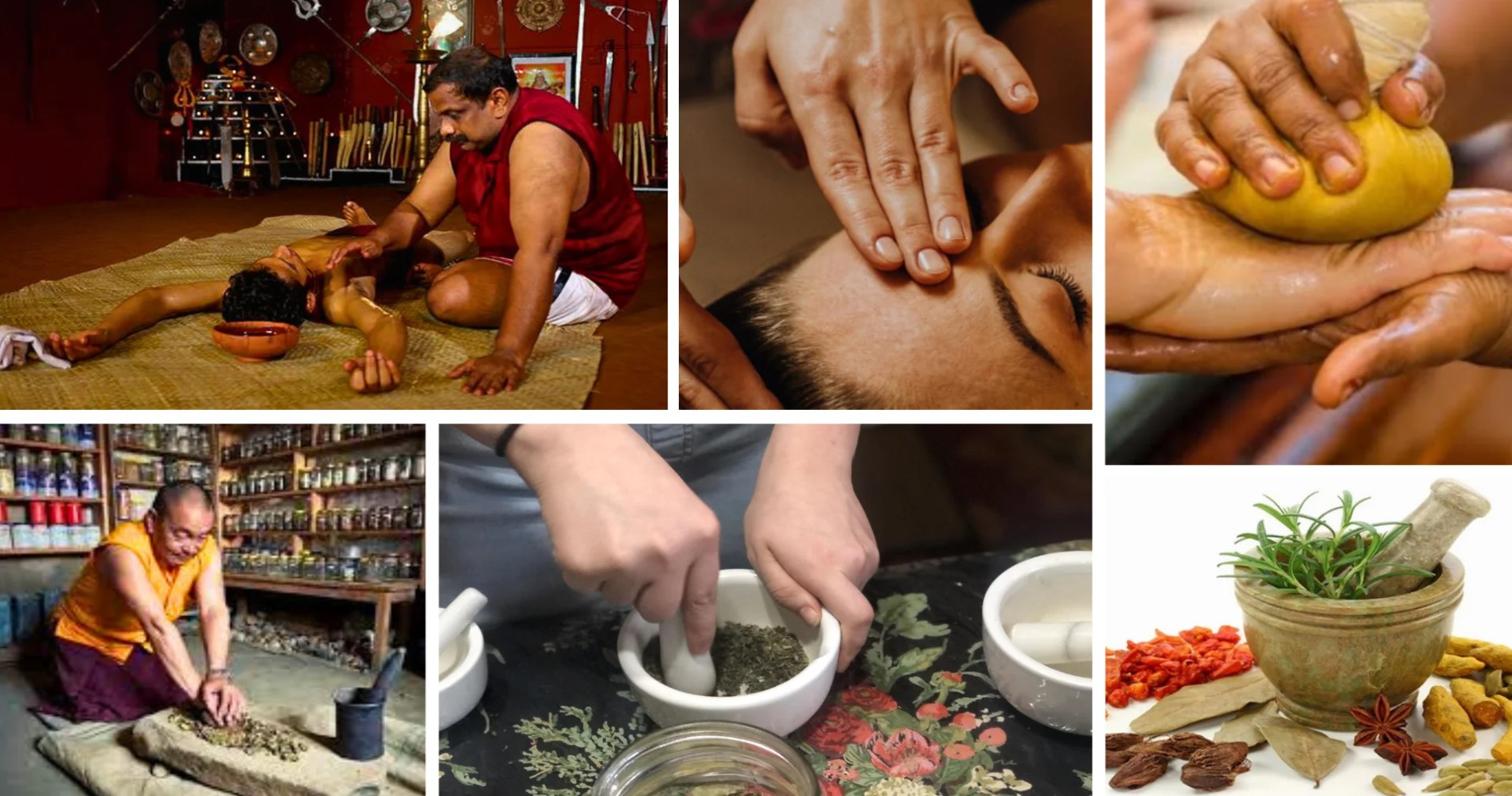
Elite Wellness Positioning vs Mass Tourism

Elite Wellness Positioning vs Mass Tourism

What Makes a Retreat “Elite”? 

In high-end therapeutic Ayurveda tourism, elite refers not to luxury alone, but to clinical efficacy, exclusivity of access, and depth of result. 

Key criteria:

  • Controlled intake (screened and selected)
  • Holistic diagnostics (Dosha, Prakriti, metabolic, stress markers) Personalized protocols
  • Outcome objectives
  • Dedicated clinician oversight
  • Integration of lifestyle, diet, psychology, and therapy 

This is not a spa-oriented retreat. It is a therapeutic ecosystem. 

Distinguishing Features of Elite Retreats     

ElementElite Therapeutic ModelMass Wellness Model
Health AssessmentComprehensiveBasic
Therapy PersonalizationCustomizedStandard
Clinical MonitoringDailyOccasional
Diet ProtocolTailoredGeneral
Lifestyle IntegrationHighLow
Outcome MeasurementEvidence-trackedNone

Personalized Vaidya-Led, Evidence-Tracked Care 

Personalized Vaidya-Led, Evidence-Tracked Care 

Why Practitioner Leadership Matters 

Classical Ayurveda always centers the Vaidya (clinician). The physician who knows the self and the patient knows the disease. 

(Sushruta Samhita)      

High-end retreats revive this ideal: 

  • Vaidya conducts intake evaluation
  • DefinesPanchakarma / Rasayana sequence
  • Monitors daily response
  • Aligns protocols scientifically 

This is bio-psychosocial clinical care, not general tourism. 

Evidence Tracking: The New Standard 

Evidence tracking encompasses : 

  • Baseline metrics (blood, hormone panels, microbiome)
  • Ayurvedic markers (Dosha balance, Agni status)
  • Symptom scales (stress, sleep, pain)
  • Functional tests (mobility, cognition)
  • Post-retreat follow-ups. 

Outcomes are measured, recorded, and reported. 

This transforms retreats into: 

  • Healing programs
  • Predictable outcome systems
  • Clinical data ecosystems. 

People Also Search : Ayurvedic Tourism in Andaman Islands
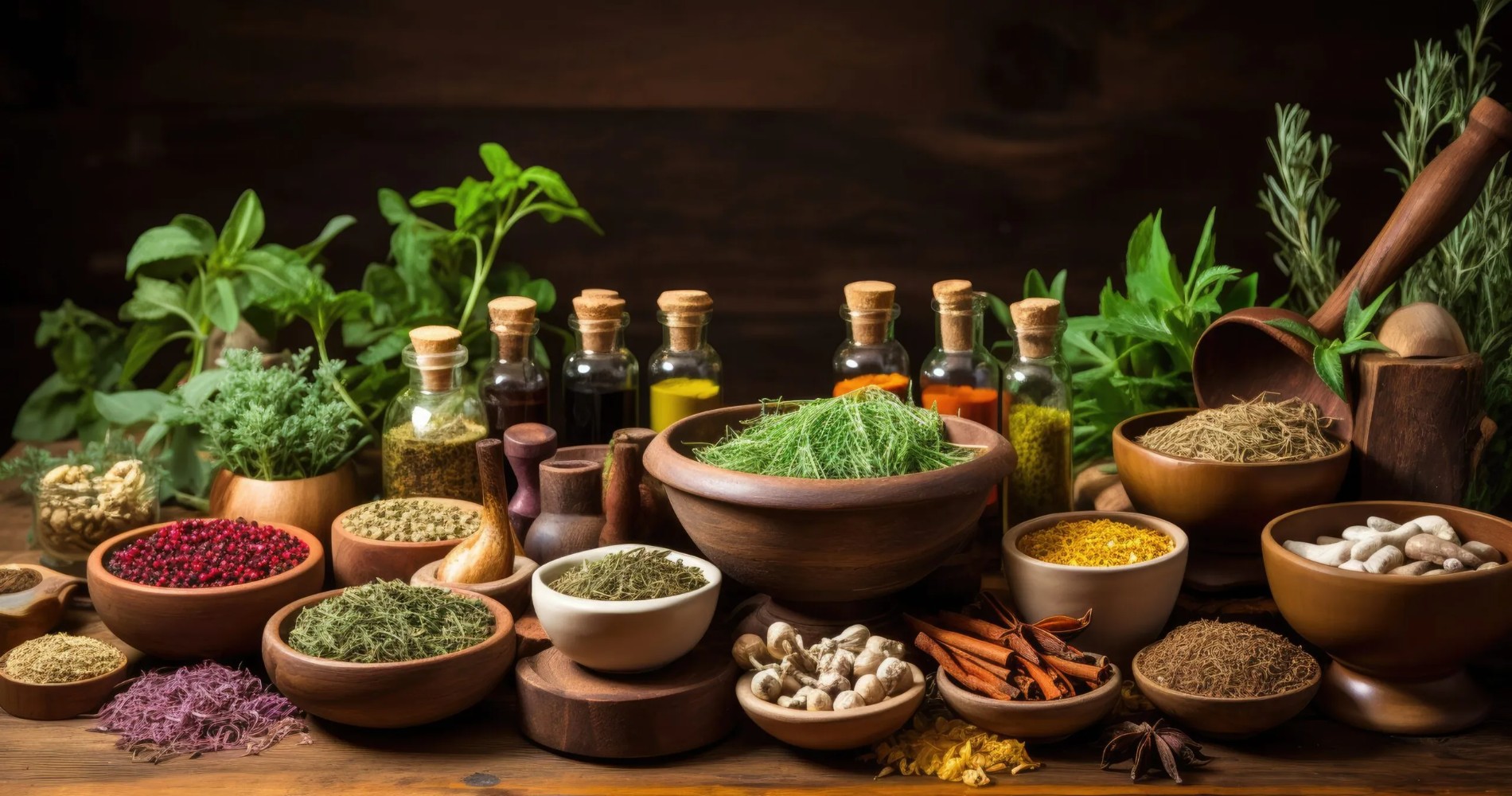
What Makes India the “Best in the World” for High-End Ayurveda Retreats

What Makes India the “Best in the World” for High-End Ayurveda Retreats

Classical Continuity 

India has: 

  • 5,000+ years of living tradition history
  • Classical texts (Charaka, Sushruta, Vagbhata)
  • Licensed practitioners (BAMS, MD Ayu, PhD Ayu) 

There is no country which has been a continuous presence in this fashion. 

Diversity of Therapeutic Environments 

India offers: 

  • Mountain retreats (Himalayas)
  • Tropical forests (Kerala)
  • Desert wellness (Rajasthan)
  • Island ecosystems (Andaman & Nicobar Islands) 

All the environments are unique therapeutically. 

7.3 Research Ecosystem

Institutions such as:

  • Central Council for Research in Ayurvedic Sciences (CCRAS)
  • National Institutes of Ayurveda
  • Universities (Banaras Hindu University, Gujarat Ayurved University)

are establishing evidence bases for:

  • Panchakarma protocols
  • Rasayana effects
  • Stress and metabolic disorders.

7.4 Global Recognition & Statistics

7.4 Global Recognition & Statistics


  • More than 5 Million Health & Wellness Tourists Arrive in India Every Year
  • Wellness tourism adds estimated contributions of USD 19+ billion to the Indian economy
  • Ayurveda is a key reason for approximately 40% of the total wellness travel to India 

Core Therapeutic Domains in Elite Ayurveda Retreats

DomainElementsExpected Outcomes
DetoxificationPanchakarmaMetabolic reset
RejuvenationRasayanaTissue strength
Mental recoveryMeditation / Manas ChikitsaEmotional resilience
Lifestyle correctionPersonalized regimenSustain health
NutritionTailored Ayurvedic dietGut & metabolic balance

Therapeutic Retreat Ecosystem 

                Clinical Intake 

           (Diagnostics, History) 

                     ↓   

    Panchakarma   →  Protocol Design  ← Rasayana Planning   

                     ↓   

           Daily Therapy & Monitoring 

                     ↓   

           Diet + Lifestyle Integration 

                     ↓   

           Outcome Tracking & Adjustment 

                     ↓   

         Post-Retreat Continuity Plan 

From Arrival to Transformation 

Visitor ↔ Pre-evaluation Module 

          ↓ 

Intake & Personalization by Vaidya 

          ↓ 

Panchakarma Cycle (14–28 Days) 

          ↓ 

Rasayana Reinforcement (21–42 Days) 

          ↓ 

Outcome Tracking (Stress, Sleep, Metabolic) 

          ↓ 

Discharge + Post-Follow-Up Plan 

          ↓ 

Sustained Transformation at Home 
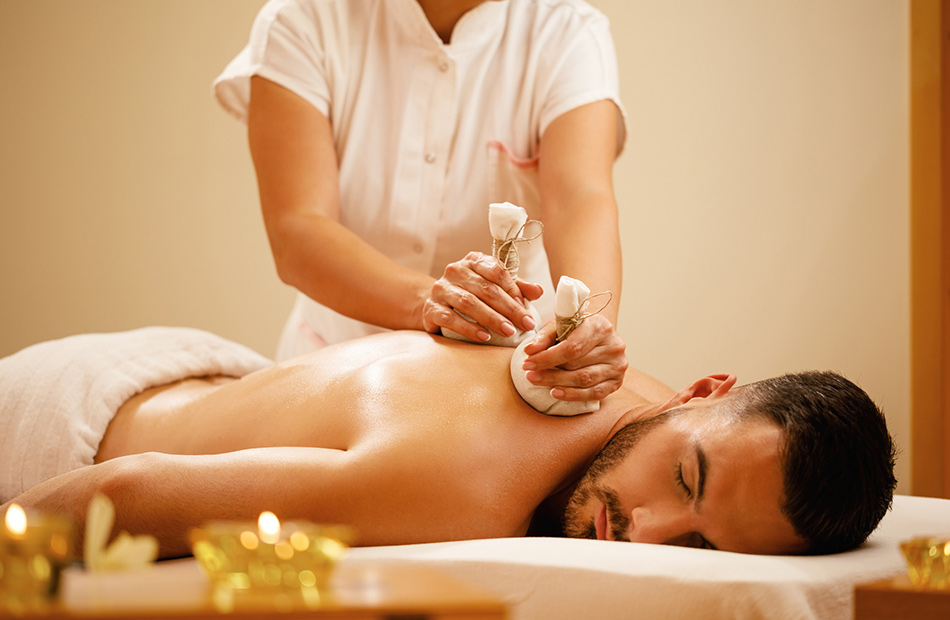
Case Studies & Examples

Case Studies & Examples

Case 1: Panchakarma for Metabolic Reset 

A 52-year-old executive with metabolic syndrome complained of: 

  • Weight reduction: 8–10 kg
  • Fasting glucose: reduced by 15%
  • Improved sleep quality 

After a 28-day retreat with personalized Panchakarma + Rasayana 

Case 2: Burnout Recovery

A 35-year-old technology professional:

  • Chronic fatigue
  • Anxiety
  • Insomnia

After 21-day personalized program:

  • Quality of sleep improved by 60%
  • Perceived Stress Scale was lowered by 45%
  • Return to Work with Increased Productivity   

Updated Statistics (2026) 

Global Wellness Tourism

  • Estimated global wellness tourism market: USD 1.2 trillion
  • Compound annual growth rate: ~10%
  • Wellness tourists shell out approximately “2 times” more than other tourists

India Specific

  • Wellness tourism contributes USD 19+ billion (2025)
  • Ayurveda constitutes~40% of the wellness tourism in India
  • Domestic wellness travellers: ~60 million annually
  • Wellness tourism growth rate (India): ~12–15% 

References (Scholarly + Reports) 

  1. Global Wellness Institute. Global Wellness Tourism Economy, 2024.
  2. Journal of Ayurveda and Integrative Medicine. Panchakarma studies: Several studies
  3. CCRAS protocols for Rasayana therapies.
  4. Statistics on Wellness Tourism Minstry of Tourism, Government of India, 2025.
  5. WHO reports on traditional medicine strategies. 

Conclusion: Defining “Best in India” Through Exclusivity, Outcomes & Depth 

High-end therapeutic Ayurveda retreats are not just another tourism product. They are: 

  • Evidence-aligned healing ecosystem
  • Clinically validated transformation pathways
  • Personalized care journeys
  • Sustainable lifestyle recalibration models 

What defines best is not luxury alone, but: 

  • Measured outcomes
  • Scientific monitoring
  • Personalized care
  • Long-term impact 

India’s depth of tradition, diversity of therapeutic geographies, and emerging evidence systems make it the world’s pre-eminent destination for elite Ayurveda tourism. 

In the era of experience-based healthcare, these retreats represent the highest expression of Ayurveda—not reduced to commodity, not diluted by crowds, but articulated in depth, integrity, and transformations. 

HIBR SuperAdmin
HIBR SuperAdmin

🖋️ Dedicated blog writer 📚 | Crafting engaging content through the art of words. 🌍 Passionate about exploring diverse topics and sharing insightful perspectives. 🚀 Turning ideas into captivating stories. ☕ Coffee addict and creativity enthusiast. 🎨 Let’s embark on a journey of discovery through the magic of writing!